
Calorie Tracking for Golf
Unlock your full potential on the green with this comprehensive guide to calorie tracking, specifically designed for golfers. Learn how precise nutrition can enhance your endurance, focus, and swing mechanics, helping you shave strokes off your game. This guide empowers you to fuel your body like a pro, leveraging the GAYA AI calorie counter for optimal performance.

⚡ Common Struggles
- Difficulty accounting for inconsistent energy expenditure across varying course terrains and playing styles (walking vs. riding, hilly vs. flat).
- Struggling to maintain consistent meal timing and healthy food choices during long rounds, travel, or tournament schedules.
- The social pressure and temptation of high-calorie foods and drinks at the 19th hole or during golf-related events.
- Underestimating the cumulative caloric demands of hours spent walking, carrying clubs, and the mental exertion required for focus and decision-making.
🎯 Key Considerations
- Sustained energy requirements for 4-5 hours of physical activity and intense mental focus during a round.
- Crucial role of hydration and electrolyte balance to prevent fatigue and maintain cognitive function under sun exposure.
- Strategic pre-round fueling to top off glycogen stores without causing digestive distress or sluggishness.
- Post-round recovery nutrition focused on muscle repair, inflammation reduction, and replenishing energy reserves for subsequent rounds.
Why Calorie Tracking Matters for Golfers: Fueling Your Game
💡 Pro Tips
- Connect your GAYA app with a fitness tracker to accurately estimate calories burned during a round.
- Reflect on your energy levels during previous rounds and link them to your pre-round nutrition tracked in GAYA.
- Prioritize consistent fueling patterns to maintain stable blood sugar and mental clarity throughout the entire 18 holes.
- Use GAYA to identify how specific food choices impact your post-round recovery and readiness for the next day.
Start tracking with a photo
GAYA makes calorie tracking effortless — snap a photo and get instant nutrition data. Perfect for golf.
Download GAYA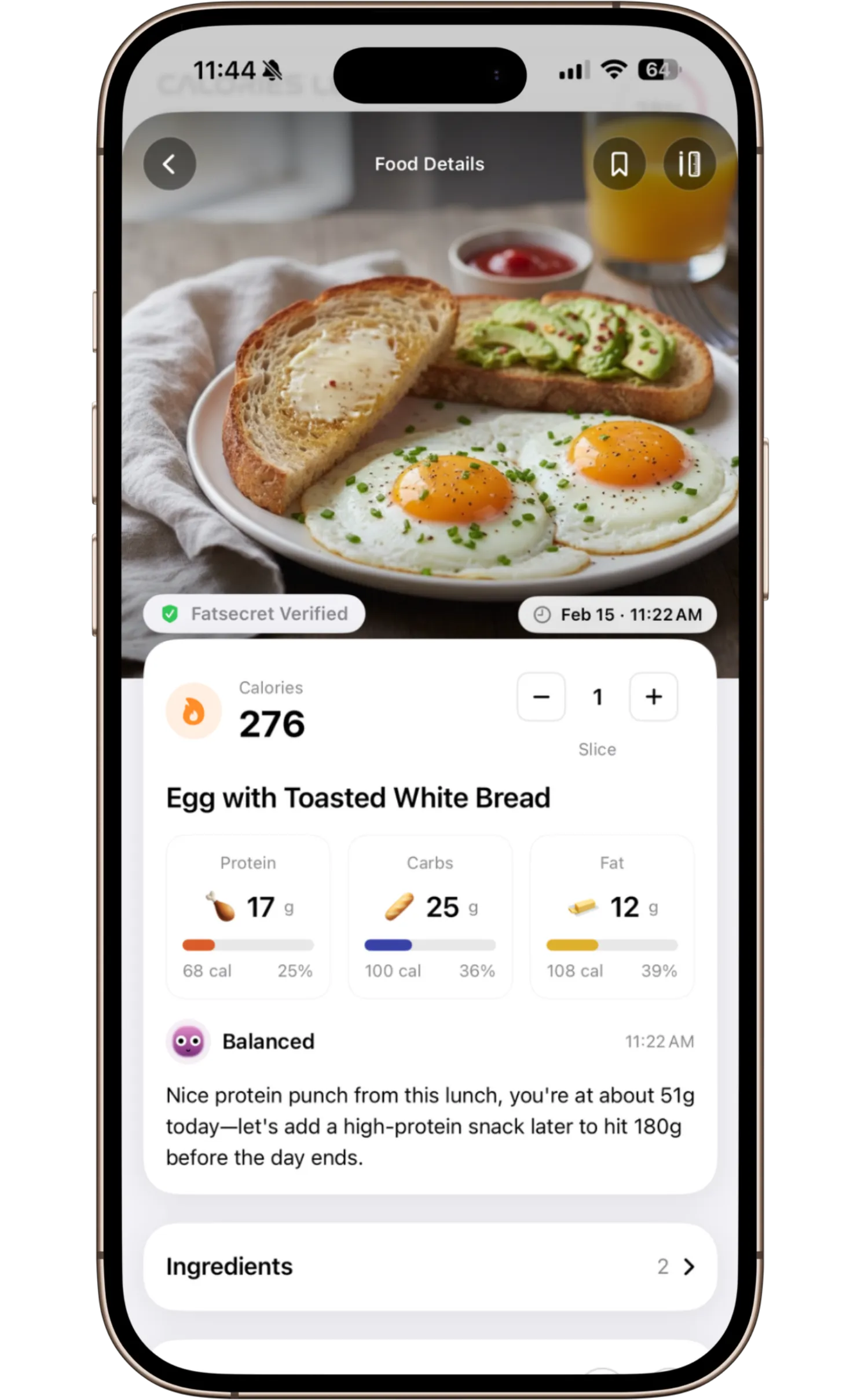
Getting Started with GAYA: Your Golf Nutrition Caddie
💡 Pro Tips
- Accurately input your activity level in GAYA, considering your average number of walking rounds per week.
- Utilize GAYA's quick-add features for common on-course snacks and drinks like energy bars, bananas, or sports drinks.
- Take photos of your meals, especially when dining out at the clubhouse, to help you log them accurately later.
- Review your weekly average calorie intake in GAYA to identify trends rather than focusing on daily fluctuations.
Mastering Your Macros for the Course: Carbs, Protein & Fats
💡 Pro Tips
- Aim for a pre-round meal rich in complex carbohydrates (e.g., oatmeal, whole-wheat toast) 2-3 hours before tee time.
- Pack easily digestible carbohydrate snacks (e.g., banana, energy bar) for mid-round fueling, logging them in GAYA.
- Ensure your post-round meal includes a good source of lean protein (e.g., grilled chicken, fish) within 60-90 minutes for optimal recovery.
- Use GAYA's macro insights to adjust your daily ratios based on your golf schedule – higher carbs on playing days, balanced on rest days.
Overcoming Common Golf Nutrition Challenges
💡 Pro Tips
- Pre-pack a small cooler with healthy, tracked snacks and a meal for your golf bag to avoid clubhouse temptations.
- When at the 19th hole, choose lower-calorie drink options or alternate alcoholic beverages with water, logging everything in GAYA.
- Research restaurant menus in advance when traveling for golf to identify healthy, trackable meal choices.
- Use GAYA to plan your meals for busy golf days, ensuring you have nutrient-dense options readily available.
Advanced Strategies for Peak Performance & Recovery
💡 Pro Tips
- Experiment with your pre-round meal timing and composition, using GAYA to track impact on energy levels.
- Develop a personalized hydration plan, including electrolyte drinks for hot rounds, and log fluid intake in GAYA.
- Consider periodizing your nutrition – adjusting calorie and macro targets in GAYA based on your golf season (peak vs. off-season).
- If considering supplements, research thoroughly and consult a healthcare professional; log any intake in GAYA for a complete picture.
Your Action Checklist
Common Mistakes to Avoid
Frequently Asked Questions
How many calories does a round of golf typically burn?+
A round of golf can burn anywhere from 800 to 1500+ calories, depending on whether you walk or ride, the course terrain, and your body weight. Walking and carrying your clubs on a hilly course will naturally expend more energy than riding a cart on a flat course. GAYA, especially when linked with a fitness tracker, can provide a more personalized estimate.
What's the best pre-round meal for sustained energy?+
The ideal pre-round meal, consumed 2-3 hours before tee time, should be rich in complex carbohydrates for sustained energy, moderate in lean protein, and low in fat and fiber to prevent digestive issues. Examples include oatmeal with fruit, whole-wheat toast with avocado and an egg, or a turkey sandwich on whole-grain bread.
Should I eat during a round of golf?+
Yes, absolutely! Sustained energy and focus are critical. Consume small, easily digestible snacks every 4-6 holes to maintain blood sugar levels and prevent energy crashes. Good options include bananas, energy bars, a handful of nuts, or dried fruit. Log these in GAYA to keep track of your intake.
How much water should I drink during a round of golf?+
Aim for at least 16-20 ounces (500-600ml) of water every hour, or more in hot and humid conditions. Don't wait until you're thirsty. Consider adding an electrolyte drink for rounds lasting more than 2 hours or in extreme heat to replenish lost minerals and maintain hydration. Track your fluid intake to ensure consistency.
What about alcohol at the 19th hole? How does it affect my tracking?+
Alcohol contains significant 'empty' calories and can hinder recovery and rehydration. While an occasional drink is fine, be mindful of its caloric content and log it accurately in GAYA. Opt for lighter options, alternate with water, or set a limit to minimize its impact on your overall nutritional goals and next-day performance.
Does body weight impact my golf swing and performance?+
Yes, body weight and composition significantly impact your golf swing. Optimal weight for your body type can improve rotational speed, stability, and power, while reducing stress on joints. Calorie tracking with GAYA helps you achieve and maintain a healthy body composition that supports a powerful, consistent, and injury-free swing.
Start tracking with a photo
GAYA makes calorie tracking effortless — snap a photo and get instant nutrition data. Perfect for golf.
Download GAYA